

Understanding Selective Mutism in Teens
Selective mutism is a challenging anxiety disorder affecting children and adults. The condition typically presents as an inability to speak in certain social situations, often

Fiona Yassin is the International Program Director at The Wave, holding multiple credentials including being a registered Psychotherapist and Accredited Clinical Supervisor in both the U.K. and UNCG (Registration number #361609 National and International Council of Psychotherapists). She is EMDR trained (EMDRIA) and practices as a Trauma therapist (Registration number #10000054651).
Fiona’s expertise includes being a member of the International Chapter of IAEDP, with training in CBTe (Oxford Group), FREED (King’s College, London), TF-CBT, RO-DBT, and GPM. Her specializations cover the treatment of Eating Disorders and Borderline Personality Disorder, as well as families in High Conflict Divorces and Psychiatry across the female lifespan.
Additionally, Fiona holds the distinction of being a Fellow of APPCH, a senior accredited Addiction Professional, and a member of The Association of Child Protection Professionals. She is also trained in MBT (Child and Family and Adult) and Reflective Parenting with The Anna Freud Centre for Children and Families, and is a Member of The Australia and New Zealand Eating Disorders Association.
Fiona holds an MSc in Neuroscience and Mental Health awarded by King’s College London, where she received The Dean’s Award. She is currently completing an MSc in Psychiatry at Cardiff University Medical School and is a PhD Candidate in Mental Health Research at Lancaster University. Outside of her professional pursuits, she enjoys spending time with her three cats, going for long walks on the beach, and appreciating the beautiful animals in her garden.
Selective mutism is a challenging anxiety disorder affecting children and adults. The condition typically presents as an inability to speak in certain social situations, often
For many people, eating is an act full of positive emotions: it nourishes us, brings up memories, and gives us a rewarding avenue through which

When Two Become One: Teens Living with an Eating Disorder and Borderline Personality Disorder Young people diagnosed with an eating disorder (ED) have a

Many teens experience the typical highs and lows of adolescence. There may be signs that their conduct is a little more irregular than usual and
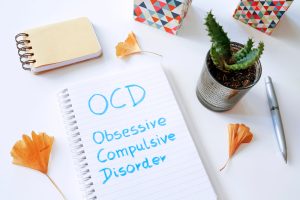
From their symptoms to their associated behaviours, consequences, and underlying causes, many eating disorders share traits with OCD – and these two families of anxiety

In the exigent times of teenhood, many face challenges that they may find difficult to identify, understand, and even more so convey. Mental health conditions

Social media has become an increasingly integral part of our lives, providing an easy way to connect and stay up-to-date with the lives of others,

What Is Mental Health? Mental health includes human emotional, psychological, and social well-being. It impacts every aspect of how we interact with the world, including

What Is Emotional Dysregulation? Emotional dysregulation is a mental health condition that causes people to feel intense emotions more frequently and for longer periods of

For loved ones, borderline personality traits can be frustrating and puzzling. This is especially true for parents or adults caring for teenagers with borderline personality

Mental health disorders like anorexia nervosa and borderline personality disorder are common among young people in Kuwait. For parents, seeing a young person face challenges in their mental health can cause stress, anxiety, sadness, and frustration. It’s not easy to know how to act or when to reach out for support.

Identifying and treating anorexia as soon as possible is crucial to effective treatment and recovery. Without timely treatment, children can experience serious and long-term harm to their mental and physical health. This means that it’s really important to look out for the signs of anorexia in pre-teens as well as adolescents and seek professional support if there are any concerns.

Social isolation and loneliness may cause young people to become more inward-focused and preoccupied with their body shape and weight. Meaningful social relationships are important in creating a sense of perspective and self-worth. Relationships help young people understand the many ways they are valuable and emphasise their hobbies and passions. Without these relationships, it’s easier for disordered eating attitudes and behaviours to dominate a young person’s life.