

Why is ADHD Underdiagnosed in Girls?
Attention deficit hyperactivity disorder (ADHD) is commonly thought to affect more boys than girls. However, this is a myth – ADHD is underdiagnosed in girls
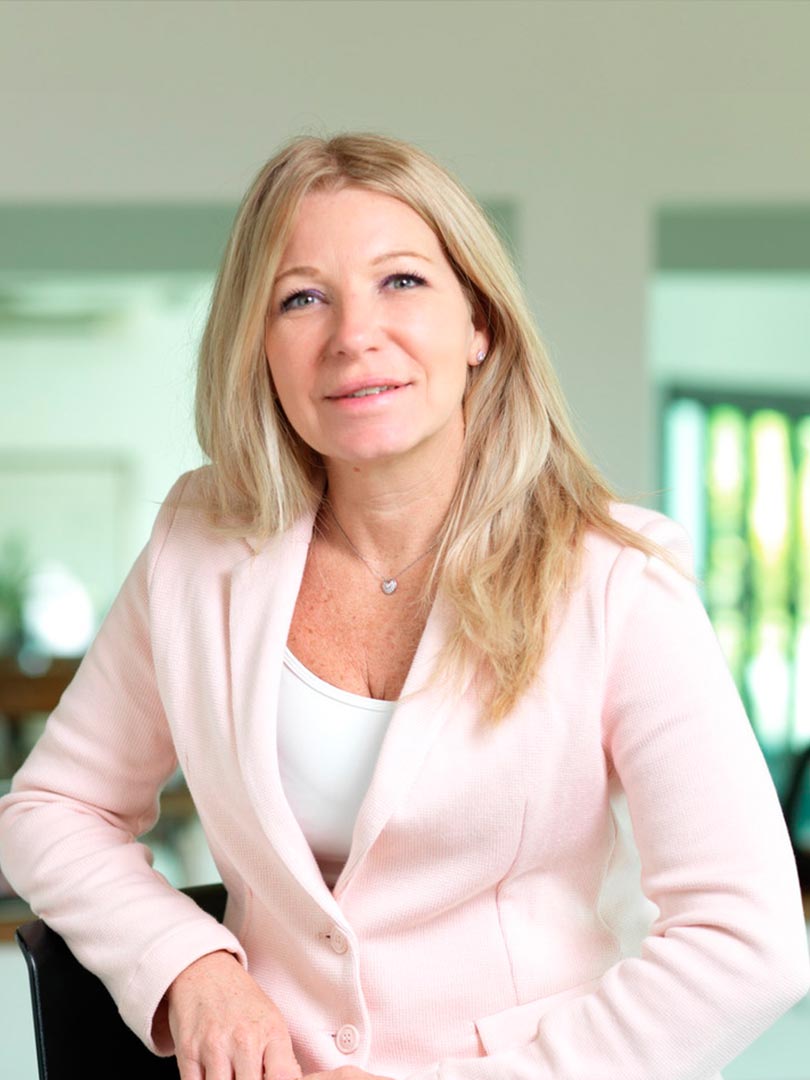
Fiona Yassin is the International Program Director at The Wave, holding multiple credentials including being a registered Psychotherapist and Accredited Clinical Supervisor in both the U.K. and UNCG (Registration number #361609 National and International Council of Psychotherapists). She is EMDR trained (EMDRIA) and practices as a Trauma therapist (Registration number #10000054651).
Fiona’s expertise includes being a member of the International Chapter of IAEDP, with training in CBTe (Oxford Group), FREED (King’s College, London), TF-CBT, RO-DBT, and GPM. Her specializations cover the treatment of Eating Disorders and Borderline Personality Disorder, as well as families in High Conflict Divorces and Psychiatry across the female lifespan.
Additionally, Fiona holds the distinction of being a Fellow of APPCH, a senior accredited Addiction Professional, and a member of The Association of Child Protection Professionals. She is also trained in MBT (Child and Family and Adult) and Reflective Parenting with The Anna Freud Centre for Children and Families, and is a Member of The Australia and New Zealand Eating Disorders Association.
Fiona holds an MSc in Neuroscience and Mental Health awarded by King’s College London, where she received The Dean’s Award. She is currently completing an MSc in Psychiatry at Cardiff University Medical School and is a PhD Candidate in Mental Health Research at Lancaster University. Outside of her professional pursuits, she enjoys spending time with her three cats, going for long walks on the beach, and appreciating the beautiful animals in her garden.
Attention deficit hyperactivity disorder (ADHD) is commonly thought to affect more boys than girls. However, this is a myth – ADHD is underdiagnosed in girls

Self-harm is a concerning behaviour exhibited by many young adults experiencing mental health difficulties. It is highly dangerous, and parents may not know how to

Identifying eating disorders in teenagers can be upsetting and even frustrating. Young adults may attempt to hide their symptoms from parents and caretakers, making spotting

Finding specialist care for your child, teenager or young adult who has been diagnosed with an eating disorder or who is at the beginning of

A new tool announced by Google this week will allow anyone under the age of 18, or their parent or guardian, to request the removal

Eating Disorder Facts for Teens and Parents Diagnosed with Anorexia Nervosa and Bulimia Nervosa Scientists continue to discover more information about eating disorders. 13.2% of young

Research suggests that the prevalence of anxiety disorders among the teenage population has risen dramatically in recent years. Anxiety disorder Due to the emergence of social media

From 4 October, the rules for international travel to the United Kingdom will change, making it much easier to travel to Malaysia for medical treatment.

Children, teenagers and young adults can be caught in the crossfire of unhappy situations at home. For some young people, exposure to high conflict divorce,

At some point or another, most of us have heard the term narcissism or read an article somewhere that illustrates the classic narcissistic traits of

Mental health disorders like anorexia nervosa and borderline personality disorder are common among young people in Kuwait. For parents, seeing a young person face challenges in their mental health can cause stress, anxiety, sadness, and frustration. It’s not easy to know how to act or when to reach out for support.

Identifying and treating anorexia as soon as possible is crucial to effective treatment and recovery. Without timely treatment, children can experience serious and long-term harm to their mental and physical health. This means that it’s really important to look out for the signs of anorexia in pre-teens as well as adolescents and seek professional support if there are any concerns.

Social isolation and loneliness may cause young people to become more inward-focused and preoccupied with their body shape and weight. Meaningful social relationships are important in creating a sense of perspective and self-worth. Relationships help young people understand the many ways they are valuable and emphasise their hobbies and passions. Without these relationships, it’s easier for disordered eating attitudes and behaviours to dominate a young person’s life.