

Teen Mental Health Treatment: How to Choose the Best Treatment Program for Your Child
Finding a treatment program for your teenager or young adult is a difficult task and a decision that parents hope they will not have to make.
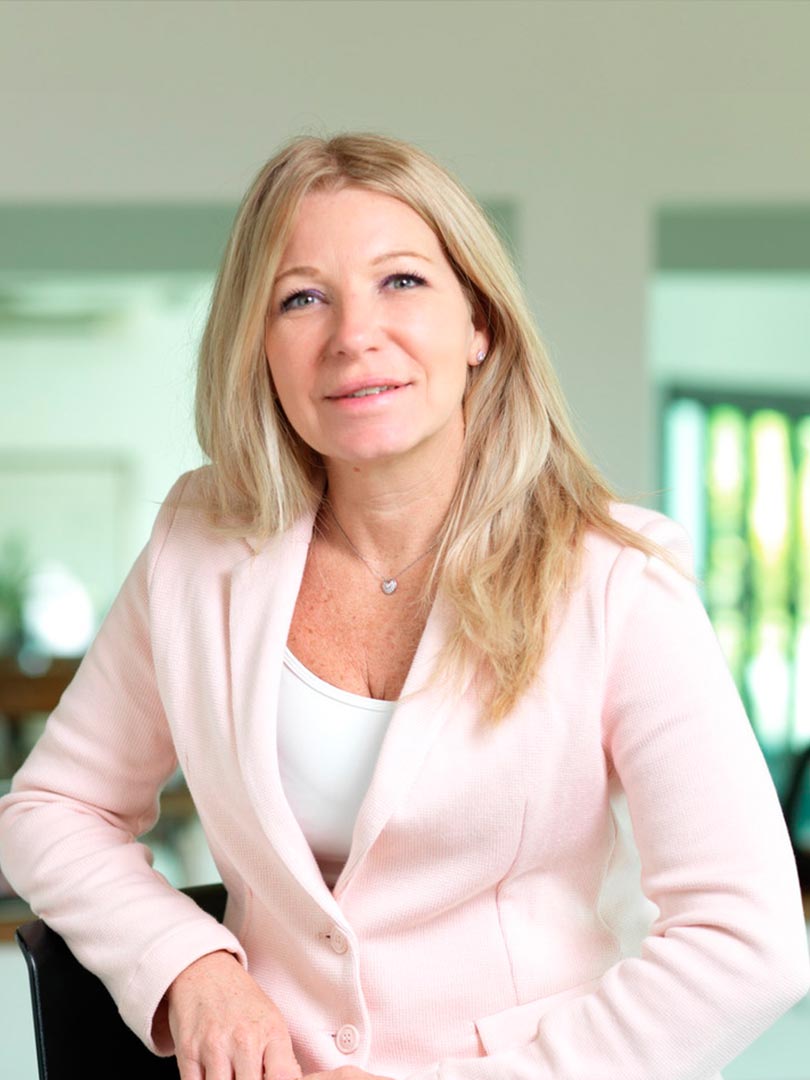
Fiona Yassin is the International Program Director at The Wave, holding multiple credentials including being a registered Psychotherapist and Accredited Clinical Supervisor in both the U.K. and UNCG (Registration number #361609 National and International Council of Psychotherapists). She is EMDR trained (EMDRIA) and practices as a Trauma therapist (Registration number #10000054651).
Fiona’s expertise includes being a member of the International Chapter of IAEDP, with training in CBTe (Oxford Group), FREED (King’s College, London), TF-CBT, RO-DBT, and GPM. Her specializations cover the treatment of Eating Disorders and Borderline Personality Disorder, as well as families in High Conflict Divorces and Psychiatry across the female lifespan.
Additionally, Fiona holds the distinction of being a Fellow of APPCH, a senior accredited Addiction Professional, and a member of The Association of Child Protection Professionals. She is also trained in MBT (Child and Family and Adult) and Reflective Parenting with The Anna Freud Centre for Children and Families, and is a Member of The Australia and New Zealand Eating Disorders Association.
Fiona holds an MSc in Neuroscience and Mental Health awarded by King’s College London, where she received The Dean’s Award. She is currently completing an MSc in Psychiatry at Cardiff University Medical School and is a PhD Candidate in Mental Health Research at Lancaster University. Outside of her professional pursuits, she enjoys spending time with her three cats, going for long walks on the beach, and appreciating the beautiful animals in her garden.
Finding a treatment program for your teenager or young adult is a difficult task and a decision that parents hope they will not have to make.

Alcohol use in teenagers and young adults continues to rise. Young people are starting to drink at an earlier age and are drinking more than

In a rapidly changing world, mental health teams are on the frontline for children, adolescents, young people and their families in crisis. How do you

Conduct Disorder is a complex mental health issue. It is usually diagnosed during the teenage years in young people who have experienced behavioural problems in their

The Eating Disorder Bed Crisis 1.25 million people in the UK are estimated to have an eating disorder. Waiting lists for eating disorder beds in

A Guide to Teen BPD treatment for Parents and Carers. Borderline Personality Disorder has long been considered a diagnosis that mental health professionals were reluctant

Body Image and Eating Disorders in Children and Teenagers From East to West, children and teenagers constantly gather information from people, things and events in

The latest of 13 pandemic check-in surveys fielded by ADDitude has revealed a striking increase in the number of children and adults receiving a formal

What Are Eating Disorders? An eating disorder causes an individual to interact with food in an unhealthy way: eating excessive amounts in an uncontrolled manner, limiting food

As told The Star Malaysia – original article here. As The Wave’s International Clinical Director, my work involves assisting young people and their families all

Mental health disorders like anorexia nervosa and borderline personality disorder are common among young people in Kuwait. For parents, seeing a young person face challenges in their mental health can cause stress, anxiety, sadness, and frustration. It’s not easy to know how to act or when to reach out for support.

Identifying and treating anorexia as soon as possible is crucial to effective treatment and recovery. Without timely treatment, children can experience serious and long-term harm to their mental and physical health. This means that it’s really important to look out for the signs of anorexia in pre-teens as well as adolescents and seek professional support if there are any concerns.

Social isolation and loneliness may cause young people to become more inward-focused and preoccupied with their body shape and weight. Meaningful social relationships are important in creating a sense of perspective and self-worth. Relationships help young people understand the many ways they are valuable and emphasise their hobbies and passions. Without these relationships, it’s easier for disordered eating attitudes and behaviours to dominate a young person’s life.